Treatments
Consultation
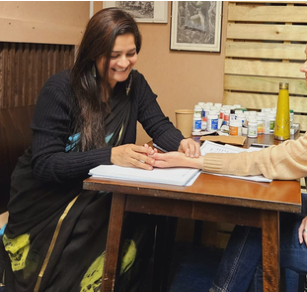
In our consultations, we do not look at the disease alone. Each condition is understood based on your prakruti, current imbalance (vikruti), digestion (agni), and lifestyle. The aim is to identify the root cause and correct it step by step…..
• WOMEN CARE – menstrual health, hormonal balance, cycle regulation, and overall reproductive wellbeing.
• Thyroid disorders – support in regulating metabolism through diet, medicines, and lifestyle correction.
• IBS / Constipation – improving gut function, relieving bloating, irregular bowels, and discomfort.
• PCOS / Endometriosis – managing hormonal imbalance, pain, and improving reproductive health.
• Diabetes / Hypertension – long-term management through ahara (diet), vihara (lifestyle), and medicines.
• Infertility (male & female) – preparing the body through purification and strengthening therapies.
• Arthritis / Joint pain – reducing inflammation, stiffness, and improving mobility.
• Allergy / Sinusitis – addressing recurrent cold, congestion, and respiratory sensitivity.
• Anxiety / Stress – calming the nervous system and improving sleep and mental clarity.
• Skin disorders (including psoriasis) – working on internal detoxification along with local care.
• Hair fall / Dandruff – correcting underlying causes like stress, nutrition, and scalp health.
• Piles / Fissure / Fistula – managing digestion, bowel habits, and local healing.
Abhyangam
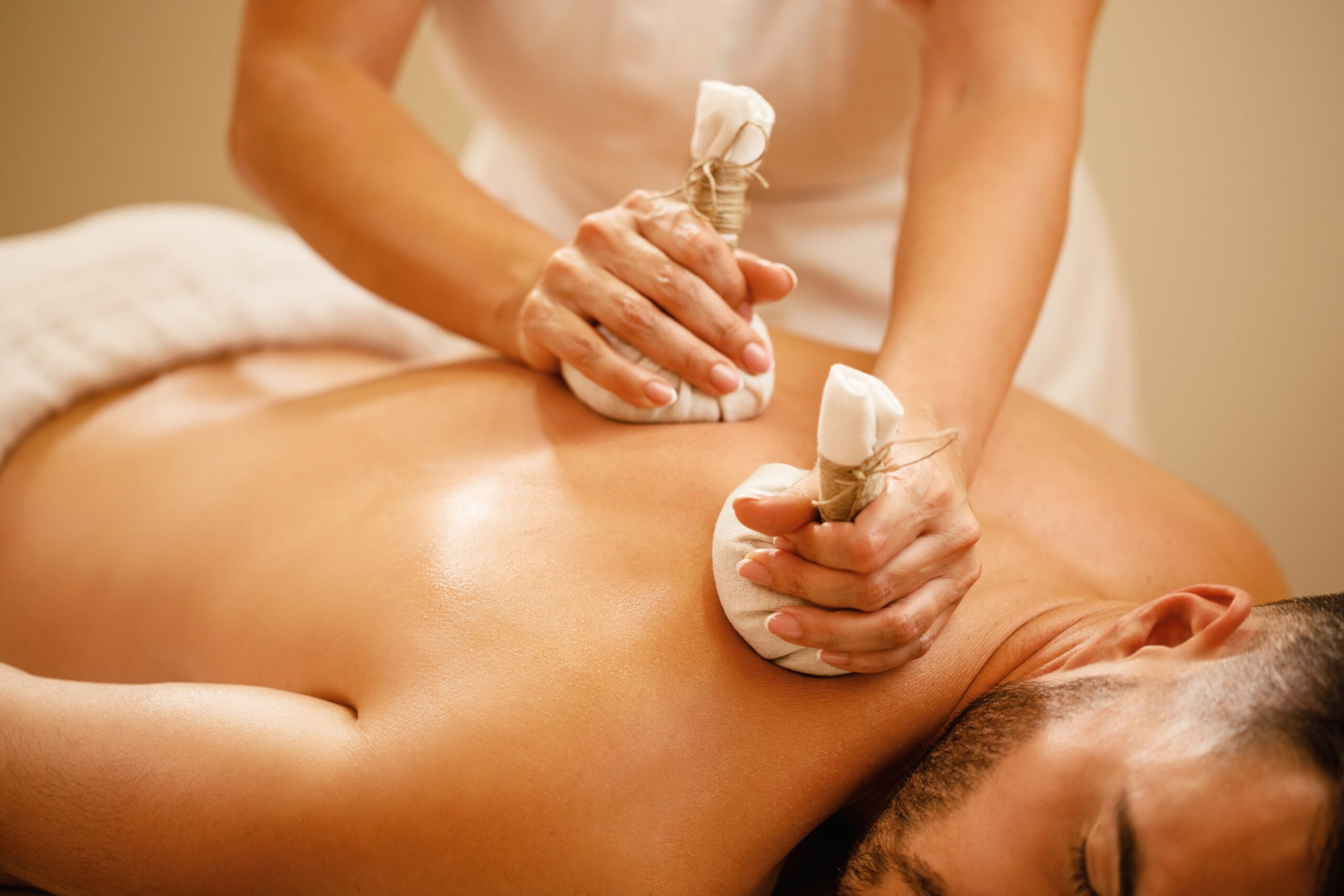
Abhyangam is a traditional Ayurvedic massage that uses long strokes and rhythmic
movements to stimulate blood circulation, relax muscles, and promote overall well-
being.
This is a special types of Oil massage in which hand strokes are made according to the
disease, It enhances blood flow and usually given as pre-procedure to many therapies as
well as a separate therapy in itself.
Indication: Obesity, Rheumatism, Blood pressure, Spondylosis, Generalised Weakness,
Stress and strain, Rejuvenation, Relaxation, Vigour & vitality
SWEDANA (Sudation Therapy)
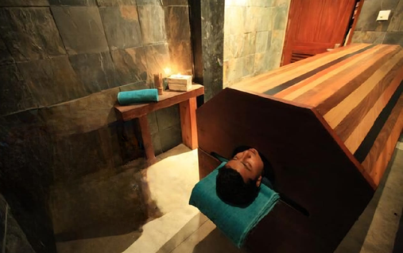
“Swedana” refers to the process of inducing sweating for therapeutic purposes in Ayurveda. It helps in detoxification, improving circulation, relaxing muscles, and relieving stiffness.
There are two common types of Swedana:
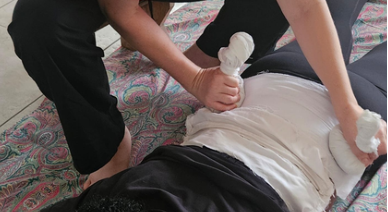
Valukapotali
– It is a therapeutic massage using herbal powders. It helps in reducing excess body
fat, improving skin texture, and boosting metabolism.This treatment involves fomentation
with heated sand bags. It is utilized to address localized pain, improve joint mobility, and
alleviate muscle stiffness.
Isthika swedanum – It is a traditional method which involves fomentation using bricks. In
this process, a brick is heated until it turns red hot. Then, a container of rice kanji
(fermented rice gruel) is placed over it. The patient sits on a stool, keeping a safe
distance from the hot brick. Steam is produced when we pour the rice kanji onto the hot
brick, and the patient benefits from this steam-based fomentation. This technique is
particularly beneficial for addressing heel pain and is commonly used in Ayurvedic
treatments for Vatakantaka (calcaneal spur).
Udvartanam
Popularly also known as weight loss massage is a stimulating massage using special herbal powder
to reduce cellulite accumulations, improve circulation and enhance your skin’s texture and
appearance. We thoroughly exfoliate your body using a powerful mixture of Ayurvedic powders
which will break up fatty deposits and energize blood circulation. A delightful body treatment to
remove excess heat from your body, enhancing circulation and drawing fresh energy to the
surface of the skin
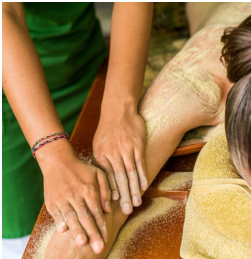
The treatment is good for diseases like diabetic neuropathy, paralysis, obesity, skincare, sciatica, indigestion and sclerosis of blood vessels. The massage activates the nerves and increases blood flow to the impaired parts of the body. Udvartanam is also
an important health preserving massage. As the massage promotes active blood flow, it revitalizes and reconditions the body, thus preserving its strength, skin texture, and natural elasticity. Fat reduction is one of the significant benefits in cases of obesity. ‘Triphala’, is the most commonly used powder in the treatment. It is a mixture of excellent nerve stimulating agents such as Gooseberry, Belerica, and Myrobalan. The medicated powder is applied all over the body and massage is done in the oppositedirection of the hair roots, with appropriate pressure. Extra massage is provided on specific parts of the body depending on the type of the disease.The massage goes on
for about 30 to 40 minutes. During this time, the body surface slightly warms up and expels traces of toxic coatings on its nerve endings. This facilitates faster nerve stimulation and blood circulation to the damaged areas of the body. Udvartanam also promotes elasticity of the skin and makes the body soft and fatigue free.The duration and type of medicine to be used are decided by the physician after considering various related factors such as the person’s body constituency, his digestive capacity, psychic state, age, strength etc. Herbal medicines like Kashayam (decoction), Gulika (pills), and Choornam (powder) are also given along with the massage. Usually, one to two weeks treatment, along with strict carbo-less diet gives good results.Other herbs commonly used for udvartanam are costus roots,deodar,Senna,horse gram,phyllanthus and mustard. Horse gram and mustard, considered to be hot in nature are very good nerve stimulators.
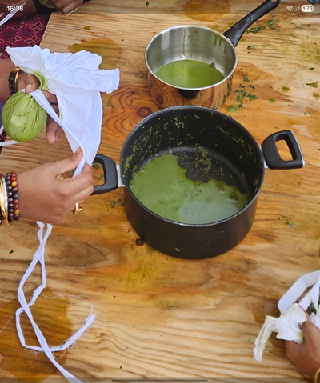
Podikizhi- Podikizhi involves massaging the body with heated herbal powders packed in boluses. It aids in relieving pain, inflammation, and promoting relaxation.
Elakizhi-Like Podikizhi, Elakizhi uses boluses filled with herbal leaves to massage the body. It is effective in treating joint issues, muscular pain, and improving circulation.
Navarakizhi-In this treatment, boluses filled with cooked Navara rice are used for a massage. It is known to enhance muscle strength, alleviate pain, and rejuvenate the body.
“Navarakizhi or Shashtika Shali Pinda Sweda” is a form of sweat inducing massage treatment. It is used to improve muscle strength, rejuvenate and re-energize body. Here, milk and rice are mainly used.
Milk is a well known nutrient to us, so is rice. They form a part of our daily diet. But in this write-up we shall see how these 2 food products are used for treatment purposes, not when taken internally but when applied externally. Yes! You have heard it right. Milk processed with medicinal herbs and a special type of rice are combined together to be used as an effective external therapy. This treatment is used to provide strength and nutrition to the body tissues, especially bones, muscles and other soft tissues.
The treatment is a special gift from Ayurveda to the ailing world and is called Shashtika Shali Pinda Sweda in Sanskrit and Navarakizhi in Kerala Ayurvedic practice. Though it is a sweating form of treatment, often, the term massage is associated with
this treatment because sweating is used by massaging. This is common in sportsman especially runners aa a pre ren strengthening massages. Indications Emaciation of limbs, Skin diseases, Rheumatism.
Pizhichil- In this warm herbal oil massages are combined with with in a rhythmic manner, pouring the oil from height like dhara and perfirming synchronized massage simultaneously. It’s beneficial for joint issues, muscle pain, and improving skin texture.
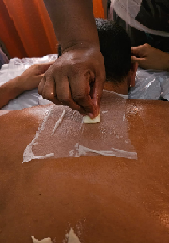
Vestanum
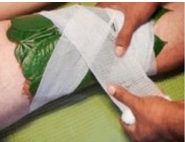
Vestanum is medicated Bandages. A dhoti cloth is smeared in medicated hot oil and applied to the affected painful area to alleviate pain followed by bandaging it with warm castor leaves for 45 mins.
It can be done with medicated fresh paste depending upon the condition.
Pichu
Pichu involves applying medicated oils or herbal pastes on specific body parts and covering them with a cloth. It is used to alleviate pain, inflammation, and promote healing.
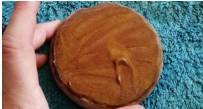
Lepas
Lepas refer to medicated pastes that are applied externally to address various concerns.
Shoolshamana Lepas- Help alleviate pain
Soundaryavardhak Lepas- Enhance skin radiance.
Dhara
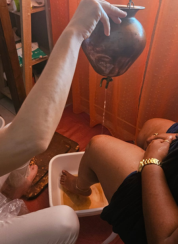
Dhara is a therapy in which a continuous stream of liquid is poured over the body in a controlled manner. When the pouring is done on a specific part of the body, it is
called Ekanga Dhara (localized dhara). When it is done over the entire body, it is called Sarvanga
Dhara.
When the pouring is specifically over the head or forehead region, it is called Shirodhara. These procedures can be done using different types of liquids depending on the condition, such as medicated oils,decoctions (kashayams), milk, medicated milk, buttermilk,
medicated buttermilk, and in some cases, ghee.
The selection of the liquid is based on the dosha involved and
the requirement of the patient
Shirodhara (Dhara Therapies)
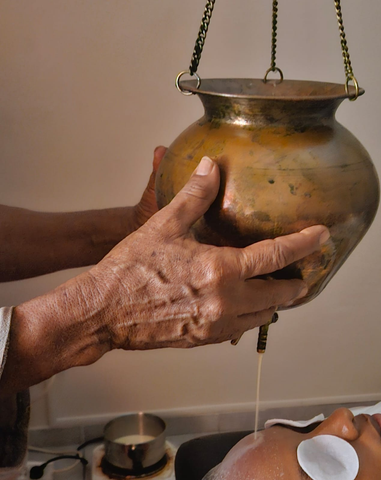
Shirodhara is not a single procedure — it is chosen based on the condition and dosha involved. The liquid used makes a significant difference.It is known for its relaxing and
stress-relieving effects, often used to calm the mind, promote sound sleep, and alleviate mental stress and anxiety.
Indication:
Mental tension,
Headache, migraine,
sinusitis,
certain skin diseases,
Stress & strain,
Depression,
Hair care.
Taila Dhara (Oil Dhara)
Medicated oil is poured over the forehead in a continuous stream. It is mainly used in Vata disorders, anxiety, dryness, insomnia, and nervous system imbalance. It gives grounding and stability.
Ksheera Dhara (Milk Dhara)
Processed milk is used. This is more cooling and soothing, suitable in Pitta conditions, burning sensation, irritability, and certain skin conditions with heat component.It is used to moisturize and nourish the skin, making it a great option for conditions like dry skin, psoriasis, and eczema.
Takra Dhara (Buttermilk Dhara)
Medicated buttermilk is used. It is particularly effective in conditions involving both Pitta and Vata, like psoriasis, scalp disorders, and stress-related
issues with heat. Each dhara is selected after understanding whetherthe body needs nourishment, cooling, or calming.
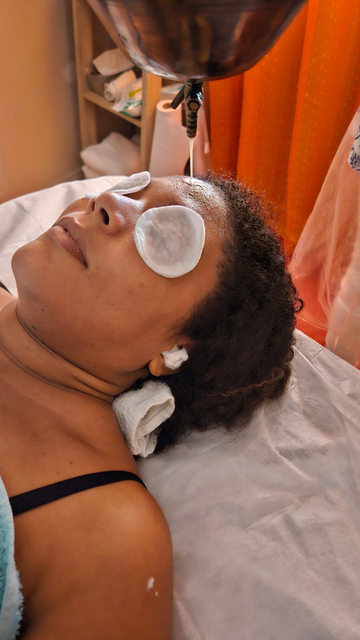
THALAPOTHICHIL / THALADHARANAM
Thalapothichil is an Ayurvedic therapy in which a medicated herbal paste is applied over the scalp and retained for a specific duration. It is primarily used to calm the mind and reduce excess heat in the head region.
The herbal paste is freshly prepared using selected herbs based on an individual’s condition and dosha imbalance:
- Pitta conditions: Cooling herbs like sandalwood, amla, and vetiver
- Vata conditions: Nourishing herbs such as bala or ashwagandha
- Kapha conditions: Light and drying herbs like triphala
The paste may be prepared using suitable mediums such as herbal decoctions, milk, buttermilk, or medicated oils to enhance its therapeutic effect.
Procedure
- Begins with a gentle head massage
- Followed by application of the herbal paste on the scalp
- Retained for approximately 30–45 minutes
Indications
- Stress and anxiety
- Disturbed sleep
- Headache
- Hair fall
- Scalp-related disorders
Benefits
- Relaxes the nervous system
- Improves sleep quality
- Reduces Pitta imbalance
- Supports overall scalp and hair health
SHIROVASTI (Shiro Basti)
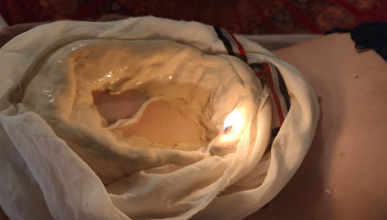
Shirovasti is a classical Ayurvedic therapy where medicated oils or liquids are retained on the head for a specific duration using a specially constructed chamber.
- “Shiro” means head
- “Vasti/Basti” means retention or pooling of liquid
Thus, Shirovasti refers to the pooling of herbal oils or medicated liquids over the head within a controlled enclosure.
Synonyms
- Shiro Basti (Both “Vasti” and “Basti” imply retention or staying of liquid)
Concept in Ayurveda
Ayurveda compares the human body to an inverted tree:
- Roots (Top): Head
- Trunk: Thorax and abdomen
- Branches: Upper and lower limbs
The head is considered the most vital part of the body as it houses:
- The brain and nervous system (control center of the body)
- The sense organs, which connect us to the external world
Due to its importance, the head is referred to as “Uttamanga” (the supreme organ).
Importance of Shirovasti
Maintaining the health of the head is essential for overall well-being. Shirovasti helps to:
- Nourish and strengthen the nervous system
- Calm the mind
- Relieve stress and mental fatigue
- Promote relaxation and clarity
This therapy is part of Moordha Taila (Murdhni Taila) treatments, which include various head therapies like Shiro Abhyanga, Shirodhara, and others aimed at nurturing and revitalizing the head region.
Kati Vasti
Specially prepared warm medicated oil is kept over the lower back within herbal paste boundary
for 20 to 30 min.
- Indication:
- Spondylosis,
- Sciatica,
- Slip disc & Mechanical Backache.
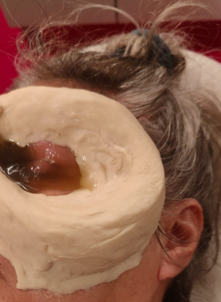
Netrabasti/ Netratarpan:
It is cleansing process for the eyes, which gives a cooling effect to the eyes prevents eye disease and strengthens optic nerve & also improves eyesight. This procedure takes 20 to 45 minutes.
Indication:
- Eyestrain due to TV,
- Computer,
- Pollution,
- Tired eyes,
- Watering of eyes,
- It helps in preventing early
- formations of cataract.
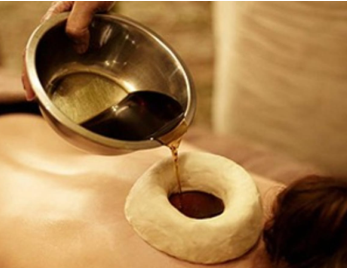
Grivabasti:
In this treatment, Medicated Oil, Ghrita is placed into a rim of urad flour made around at the back of the neck.
Indication:
- Useful in neck and shoulder pain,
- Cervical spondylosis.
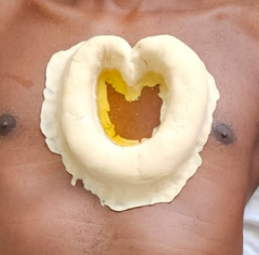
Hridbasti:
It is a unique treatment for heart and chest diseases, here medicated oil, ghrita or decoction of herbs is placed into the rim of urad flour.
Indication:
- Useful for strengthening of heart,
- Angina,
- Asthma and other respiratory problems.
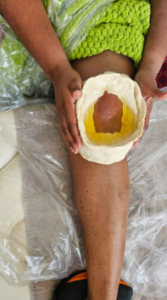
Janubasti:
In this treatment, medicated oils, ghrita is placed into the rim of uradflour made at the knee joint.
Indication:
- Osteoarthritis,
- Rheumatic Arthritis,
- Gout etc.
It cleanses accumulated Kapha toxins from the head and neck. Herbal juices. medicated oil, Churna, ghrita, fumes of herbs used through nostrils.
Indication:
- Effective for headache,
- Parlaysis,
- Sinusitis,
- Hair Fall etc.,
PANCHAKARMA
Panchakarma is a comprehensive Ayurvedic detoxification and rejuvenation therapy. Before the main procedures are performed, the body is prepared through special preliminary treatments called Purvakarma.
PURVAKARMA (Preparatory Procedures)
Purvakarma helps the body and mind become receptive to Panchakarma therapy.
1. Snehana (Oleation)
Snehana involves internal and external application of medicated oils or ghee. It softens and mobilizes toxins, helping them move toward the digestive tract for elimination.
2. Swedana (Sudation)
Swedana includes various heat therapies such as steam baths and herbal fomentation. These therapies open the body’s channels and support the removal of toxins.
PRADHANA KARMA (Main Panchakarma Procedures)
Panchakarma includes five major therapies that help prevent and treat physical, mental, and emotional disorders.
VAMANA
Vamana is a therapeutic emesis (medicated vomiting) mainly used to eliminate aggravated Kapha dosha from the body.
Benefits of Vamana Therapy
- Eliminates excess and vitiated Kapha dosha
- Improves digestion and metabolism
- Restores overall health and vitality
- Enhances clarity of mind, intelligence, complexion, and sense organs
- Improves strength, nourishment, and immunity
- Supports fertility, virility, and sexual health
- Slows the ageing process
- Promotes long-term wellness
Indications for Vamana
Vamana is recommended when:
- Kapha dosha is excessively aggravated and causing disease
- Kapha is associated with Pitta, but Kapha remains the dominant dosha
The therapy is considered complete when Pitta begins to appear during expulsion, usually seen as yellowish or bile-like material.
Signs of Inadequate Vamana (Ayoga)
If Vamana is incomplete, the following may occur:
- Difficulty in vomiting
- Very few bouts of vomiting
- Only expulsion of medicine without toxins
- Excess salivation or expectoration
- Itching
- Skin rashes
- Fever
Diet After Vamana (Samsarjana Krama)
After Vamana, digestive power is weak. Therefore, food must be reintroduced gradually.
- Take a bath with lukewarm water on the same evening or the next day.
- Begin with thin warm rice gruel (Manda) for the first 3 meals.
- For the 4th, 5th, and 6th meals, take slightly thicker rice gruel (Vilepi) with minimal salt and ghee.
- For the 7th, 8th, and 9th meals, take soft rice porridge with thin green gram soup.
- For the 10th, 11th, and 12th meals, take thin meat soup or light nourishing broth.
- Warm water should be taken after every meal.
- Normal food may be resumed gradually from the 7th day.
Conditions Benefited by Vamana
- Bronchial asthma
- Chronic allergies
- Hyperacidity
- Chronic indigestion
- Skin diseases such as psoriasis, vitiligo, and acne
VIRECHANA
Virechana is a medicated purgation therapy used mainly to eliminate excess Pitta dosha from the body.
It is one of the five principal Panchakarma therapies and is especially effective in detoxifying the liver, gallbladder, blood, and gastrointestinal tract.
Indications
- Hyperacidity
- Digestive disorders
- Intestinal cleansing
- Joint disorders
- Gynecological disorders
- Asthma
- Diabetes
- Skin diseases
- Headache
Treatment
Virechana is a medicated cleansing therapy that removes accumulated toxins and excess Pitta from the body. It primarily acts on:
- Liver
- Gallbladder
- Gastrointestinal tract
- Blood purification
According to the Charaka Samhita, Virechana is one of the best treatments for disorders caused by aggravated Pitta dosha.
Types of Virechana Karma
- Anulomana
- Sansarjana
- Bhedana
- Rechana
Benefits of Virechana
- Detoxifies excess Pitta dosha
- Removes toxins from the gastrointestinal tract
- Helpful in piles, constipation, acidity, ulcers, liver and spleen disorders
- Beneficial in jaundice and inflammatory conditions
- Purifies the blood
- Helps in chronic skin disorders
- Relieves headache, anemia, and intestinal pain
- Assists in managing diabetes, asthma, and heart conditions
- Reduces gynecological problems
The Virechana detox program generally lasts between 3 to 8 days and is considered safe when performed under proper Ayurvedic supervision.
VASTI / BASTI
Basti is one of the most important Panchakarma therapies. It involves administering medicated oils, decoctions, or herbal preparations through the rectum.
Basti is especially useful in balancing Vata dosha and treating many chronic disorders.
Types of Basti
1. Anuvasana Basti
An oil-based enema using medicated oils or ghee.
Benefits:
- Nourishes and rejuvenates the body
- Useful in Vata disorders
- Helps in constipation and dryness
2. Niruha Basti (Decoction Enema)
A herbal decoction enema often combined with honey, oil, and salt.
Benefits:
- Useful in digestive disorders
- Helps in arthritis
- Beneficial for gynecological disorders
3. Matra Basti
A mild Basti using a small quantity of medicated oil or decoction.
Benefits:
- Safe for regular use
- Promotes general health and well-being
- Helpful as maintenance therapy
4. Uttara Basti
A specialized Basti used mainly for gynecological and urinary disorders. Medicated oils or decoctions are administered through the vaginal canal or urethra.
Benefits:
- Helpful in infertility
- Useful in menstrual disorders
- Supports reproductive health
5. Karma Basti
A combination of Anuvasana Basti and Niruha Basti given in a planned treatment schedule.
Benefits:
- Provides comprehensive cleansing and nourishment
- Useful in chronic and complex disorders
- Offers deeper rejuvenation and detoxification
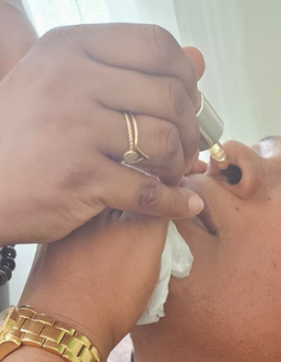
Nasyam
”Nasa hi shiraso dwaram” ( A.H.su.20/1) Nose is the gateway of head. Medicines administered by this route pervades the head and destroys the diseases. It is one the panchakarma and also can be done as a Nityakarma as a dunacharya.
Nasya is an excellent ayurvedic treatment for preventing and curing nasal allergies, headache, stiff neck, diseases of ear and throat..it helps to cleanse and strengthen the sense organs..it is a useful remedy for urdhav jatrugatroga(diseases above the shoulders)
Raktamokshana (Jaloukavacharan)
Overview
Raktamokshana therapy is a blood cleansing and purification treatment in Ayurveda. It is an important component of Panchakarma healing therapies and is considered a primary method of detoxifying the blood.
The term Raktamokshana is derived from:
- Rakt – Blood
- Mokshana – To release
Thus, it means letting out impure blood to eliminate toxins and treat blood-borne disorders.
However, this therapy is not commonly recommended for all patients, as it involves certain risks and must be performed under expert supervision.
Classification of Raktamokshana
Raktamokshana is broadly classified into two types:
1. Shastra Visravana (Using Instruments)
This method uses metallic instruments and is further divided into:
- Prachchana – Bloodletting through multiple small incisions
- Siravyadha (Venepuncture) – Puncturing veins to remove blood
2. Anushastra Visravana (Without Instruments)
This method avoids metallic instruments and includes:
- Jaloukavacharana (Leech Therapy)
Used mainly for Pitta disorders - Alabu (Vacuum Therapy using Bottle Gourd)
Used for Kapha disorders - Shrungavacharana (Cow Horn Therapy)
Used for Vata disorders
👉 Among all methods, Siravyadha (venepuncture) is considered the most widely practiced.
Indications (Conditions Treated)
Raktamokshana is recommended for conditions involving:
- Blood and Pitta imbalance
- High toxin levels in the body
Common Conditions Treated
- Skin disorders (eczema, dermatitis)
- Sciatica
- Abscess
- Edema and swelling
- Inflammation
- Uremia
- Tonsillitis
- Pericarditis
It also supports the proper functioning of:
- Liver
- Heart
- Other vital organs
Procedure of Raktamokshana
The therapy consists of three main stages:
1. Purva Karma (Pre-Procedure)
- Preparation of the body
- Used in conditions like gout, psoriasis, filariasis, glaucoma, etc.
- Instruments used: cotton swabs, gauze
2. Pradhana Karma (Main Procedure)
Key Methods:
- Prachchana
Helps relieve stress, tension, and anxiety - Siravyadha
- Selection of vein based on disease
- Patient positioned sitting or lying
- Oleation and sudation done prior
- Jaloukavacharana (Leech Therapy)
- Small incision made near affected area
- Leech applied to suck impure blood
- Leech saliva contains:
- Anticoagulants
- Anti-inflammatory agents
- Vasodilators
- Shringa Yantra (Horn Therapy)
- Vacuum created using horns
- Blood is extracted through suction
3. Paschat Karma (Post-Procedure)
- Wound dressing with medicated oil
- Gentle massage around treated area
- Dietary and lifestyle adjustments
- Rejuvenation therapies to restore strength
👉 Raktamokshana works as both:
- Preventive therapy
- Curative therapy
Jaloukavacharan (Leech Therapy)
Leech therapy is a traditional Ayurvedic treatment where medicinal leeches are applied to affected areas.
Benefits:
- Improves blood circulation
- Removes toxins
- Balances doshas
Leech saliva contains bioactive compounds that:
- Prevent clotting
- Reduce inflammation
- Enhance healing
Special Treatment: Swarnaprashana
Overview
Swarna Prashana is an ancient Ayurvedic practice designed to enhance:
- Immunity
- Intelligence
- Overall growth in children
It involves administering Swarna Bhasma (gold ash) mixed with:
- Honey
- Ghee
- Herbal extracts (Brahmi, Vacha, Shankhapushpi)
Benefits
As per classical texts, Swarna Prashana helps improve:
- Medha – Intelligence
- Agni – Digestion
- Bala – Strength
- Ayushya – Longevity
- Varnya – Complexion
- Immunity
Age Group
- From birth up to 16 years
Best Time & Day
- Early morning on empty stomach
- Ideally on Pushya Nakshatra (auspicious day)
Duration
- Daily for 30 days (extendable to 6 months)
OR - Monthly once on Pushya Nakshatra
Dosage
- Based on age:
- 1 month = 1 dose
- 1 year = 12 doses
- Example: 2 years 3 months = 25 doses
Procedure
- Mix:
- Honey + Brahmi ghee
- Swarna preparation rubbed on stone
- Administer orally to the child
Diet Guidelines
- Given on empty stomach
- Food allowed after 30 minutes
- Avoid junk food
Side Effects
- No known side effects when prepared and administered properly as per Ayurvedic methods
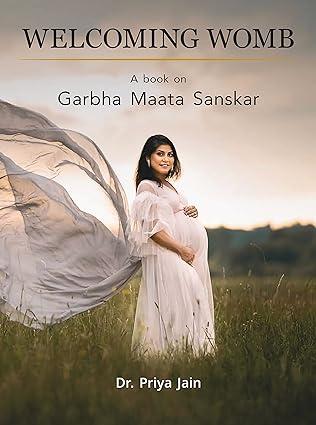
UVAS Garbha Matha Sanskar Program
1. Garbhini Paricharya (Pregnancy Care)
- Diet and nutrition guidance
- Abhimanyu therapy
- Agnihotra (healing fire ritual)
- Meditation and relaxation techniques
- Prenatal yoga
- Mantra chanting
- Skin and breast care
- Husband and wife counseling
- Pampering and wellness sessions
2. Sutika Paricharya (Postnatal Care)
- Abhyangam (therapeutic oil massage)
- Shodhanam (detoxification)
- Diet and nutrition plan
- Back-to-shape recovery program
3. Bala Paricharya (Newborn & Child Care)
- Newborn care training
- Sanskaras (traditional rituals for child development)
- Swarnaprashana (immunity and intelligence enhancement therapy)
Conclusion
Garbha Sanskar is a complete wellness program for mother and child, combining ancient Ayurvedic wisdom with modern care practices to ensure a healthy, happy, and intelligent future generation.
HRIDYA RASAYANA (AYURVEDIC HEART REJUVENATING THERAPIES)
- Non-invasive cardiac care
- Ayurveda-friendly approach
Includes:
- Dinacharya (daily routine)
- Yoga and exercise
- Panchakarma treatments
- Positive lifestyle changes
- Aahar (diet) and Vihar (lifestyle) modifications
Therapies:
- Hrud Dhara
- Hrud Basti
- Snehanam
- Swedanam
Outcome:
Within just 6–7 days, patients often experience remarkable improvements. These results can be observed through modern diagnostic tests and medical evaluations.
UVAS WEIGHT LOSS MANAGEMENT PROTOCOL
Core Principles:
- Aahar – Balanced diet
- Vihar – Yoga and physical activity
- Vichar – Positive and motivational thinking
- Achar – Do’s and Don’ts
- Aushadhis – Internal medications
- External Therapies – Udvartanam, Lekhana Basti, Dinacharya
Approach:
Weight loss is a gradual journey that requires patience and understanding, rather than quick fixes. Ayurveda focuses on identifying the root cause (Nidana) of weight gain for sustainable results.
Key Concepts:
Aahar (Diet):
- Focus on whole, unprocessed foods
- Tailored to individual dosha (body constitution)
- Emphasis on mindful eating and portion control
Vihar (Lifestyle):
- Balanced daily routine (Dinacharya)
- Regular physical activity
- Proper sleep and stress management
Digestive Health:
- Deepana – Enhances digestive fire
- Pachana – Aids digestion and toxin elimination
Our Approach at Uvas Ayurveda:
- Deepana & Pachana therapies
- Panchakarma procedures
- Customized treatments
- Internal medications
- Root-cause-based healing with a positive and holistic approach
RAKTAMOKSHANA (JALOUKAVACHARAN – LEECH THERAPY)
Procedure:
- Small incisions are made near the affected area
- Medicinal leeches are applied to draw impure blood
- The leech naturally detaches after sufficient blood intake
- If needed, turmeric powder is used to remove the leech
Benefits:
- Improves blood circulation
- Removes toxins
- Balances doshas
- Provides anti-inflammatory and healing effects
Leech saliva contains bioactive compounds with properties such as:
- Anticoagulant
- Vasodilator
- Anti-inflammatory
Shringa Yantra (Cupping Method):
- Horns are applied to the fleshy part of the body
- Air is suctioned out to create a vacuum
- This helps draw out impure blood
Paschat Karma (Post-Treatment Care):
- Gentle massage around the treated area
- Application of medicated oils
- Proper dressing of the wound
Raktamokshana can be used as both:
- Preventive therapy
- Curative treatment (partial or complete depending on the condition)
AGNIKARMA
Agnikarma is an ancient Ayurvedic therapy involving the controlled application of heat to specific points on the body.
Procedure:
- Heat is applied using specialized instruments called Shalakas (probes)
- These probes stimulate energy pathways and affected tissues
Benefits:
- Relieves pain and inflammation
- Improves circulation
- Helps manage chronic conditions
Different types of Shalakas are used depending on the condition, each designed for specific therapeutic purposes.
